
Description
| PRODUCT DETAILS | |
|---|---|
| Country Of origin | China |
| Product Tapes | EMI/EMC fliters |
| Material | Nanocrystalline Core |
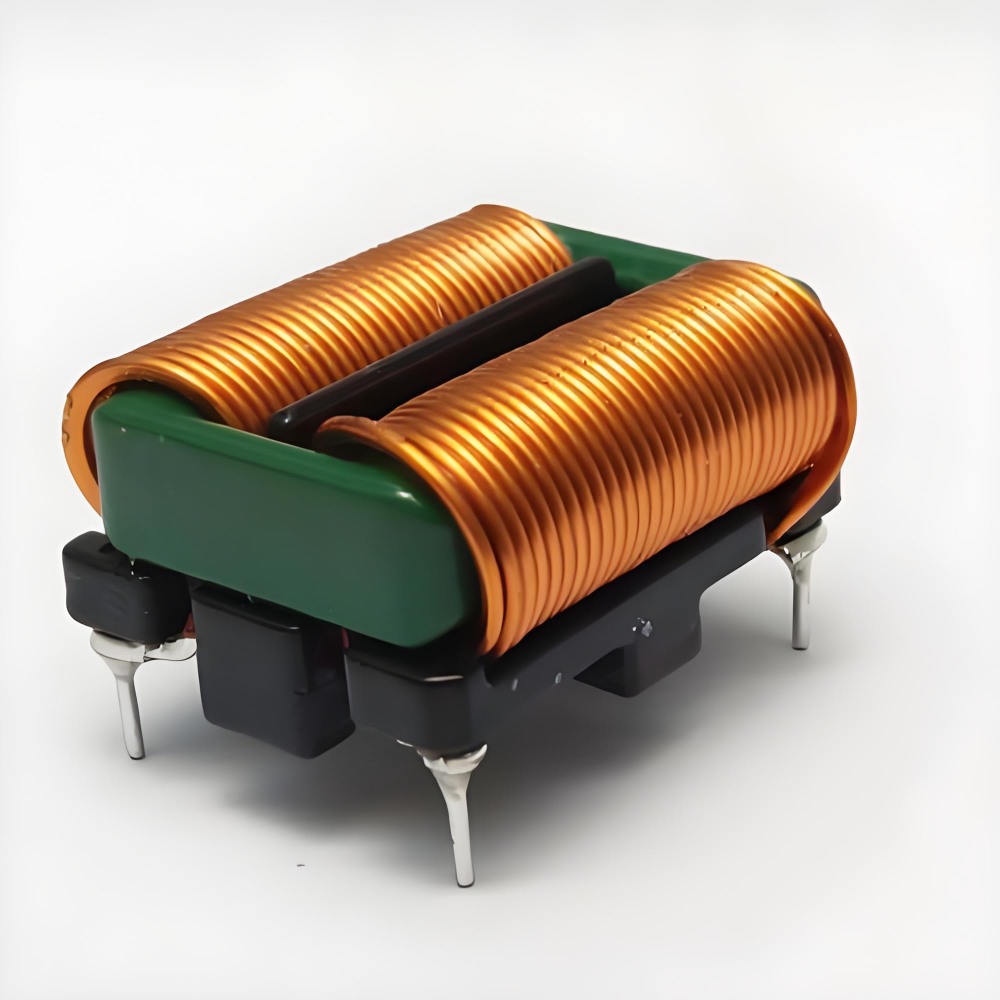
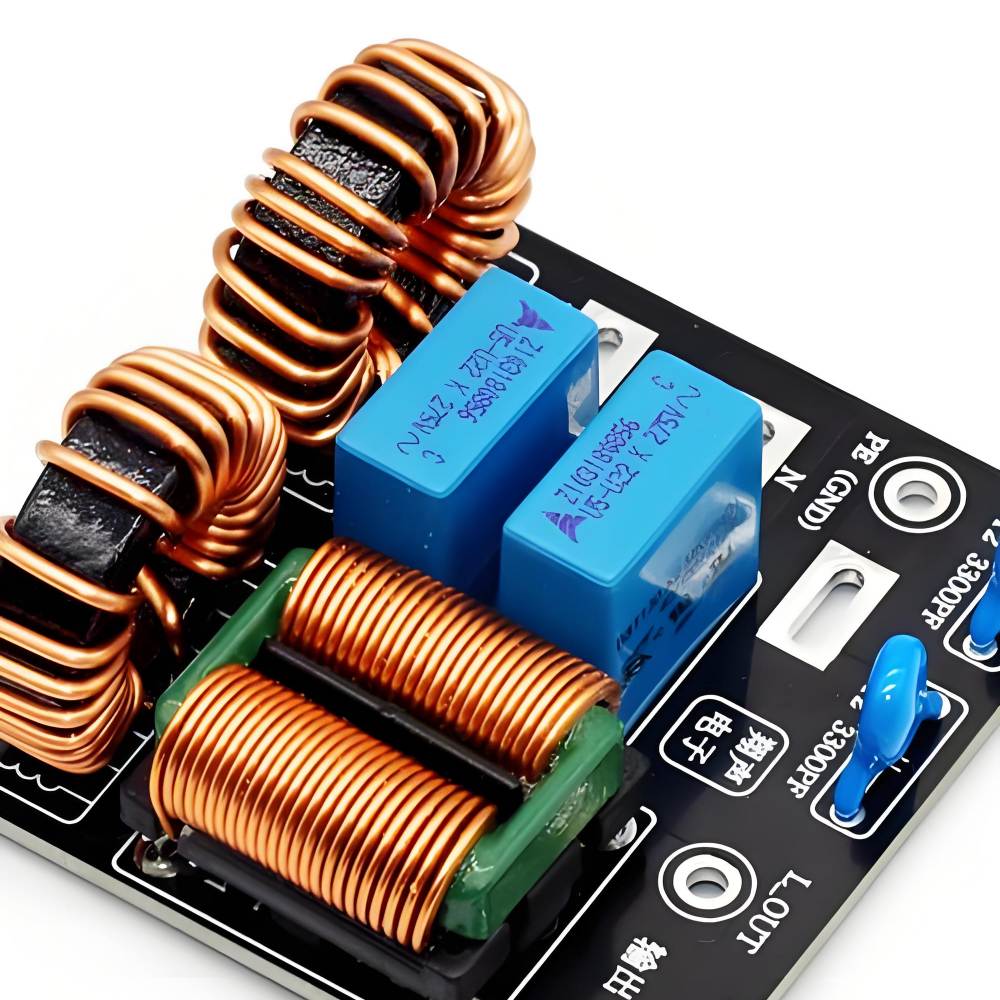
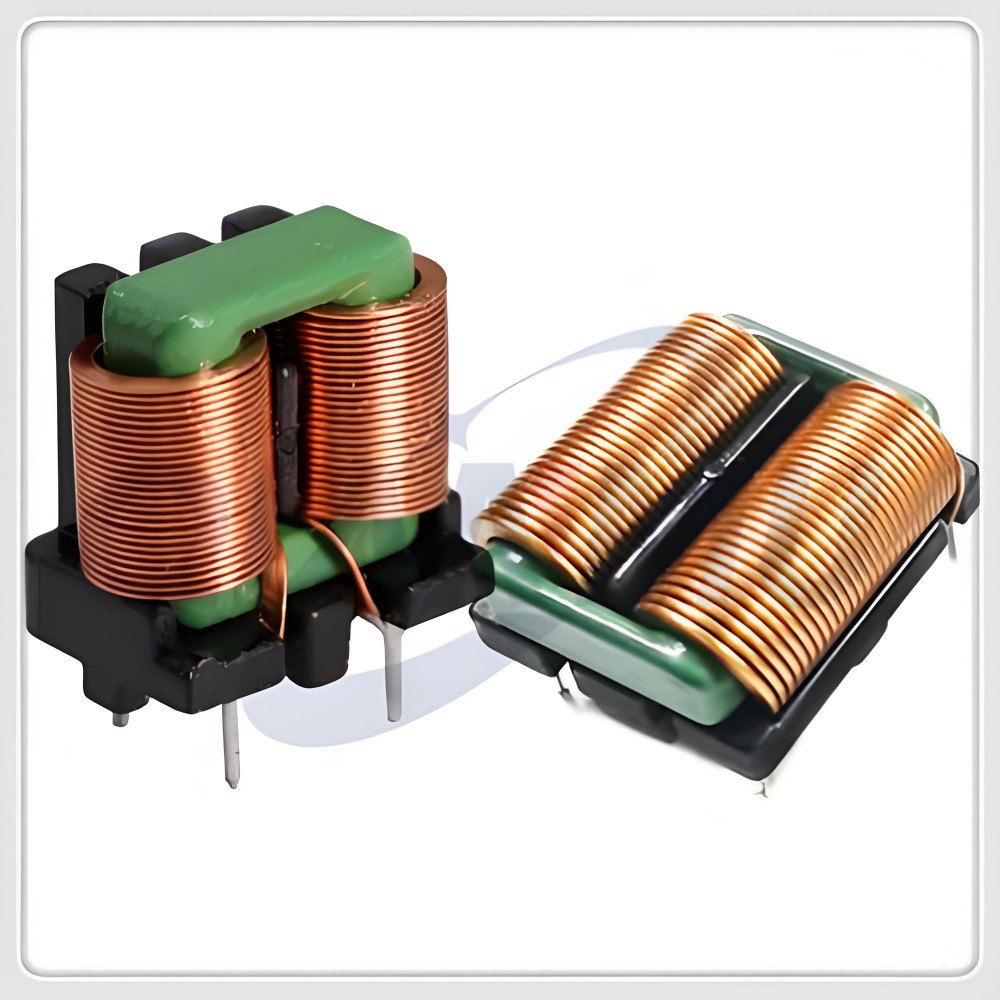
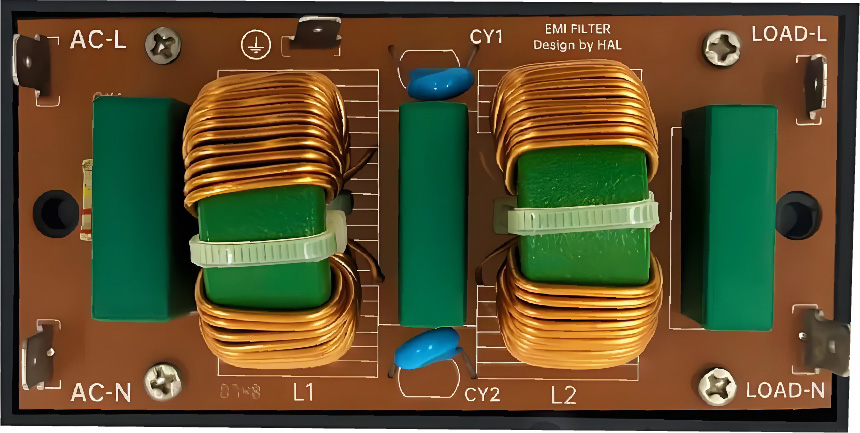
EMI/EMC filters are core EMI/EMC compatibility (EMC) protection components in power electronic systems. They are primarily used to remove high-frequency noise, common-mode, and differential-mode interference from circuits, ensuring the stable operation of equipment. In the early days, electronic devices had low power ratings and simple operating conditions, so the industry widely adopted ferrite core filters, which could only meet basic low-frequency filtering requirements. With the shift toward higher frequencies in new energy, industrial control, and smart grid equipment, the frequency and intensity of EMI/EMC interference have increased significantly. The shortcomings of traditional ferrite core filters—high losses, poor high-frequency filtering performance, and susceptibility to saturation—have become increasingly apparent. Consequently, high-performance EMI/EMC filters equipped with nanocrystalline cores have gradually emerged as the mainstream upgrade solution in the industry.
Nanocrystalline cores are the key enablers for performance upgrades in high-end EMI/EMC filters, completely overcoming the technical limitations of traditional magnetic materials. Compared to ferrite and ordinary silicon steel materials, nanocrystalline cores offer ultra-high magnetic permeability, extremely low high-frequency losses, and excellent anti-saturation characteristics. They can efficiently absorb various types of electromagnetic noise across a wide frequency range, with filtering precision and stability far surpassing traditional products. Capable of meeting interference suppression requirements in complex electromagnetic environments, they serve as the core raw material for high-end EMI/EMC filters.
The manufacturing process for EMI/EMC filters is highly precise and standardized, directly determining the product’s performance. The core manufacturing process includes precision cutting of nanocrystalline strips, vacuum high-temperature heat treatment, insulation coating, symmetrical precision winding, varnish impregnation and curing, parameter calibration, and aging tests. Among these, the magnetic field annealing process is a critical step that optimizes the internal grain structure of the nanocrystalline material and standardizes core parameters. Combined with the symmetrical winding process, this effectively reduces the device’s own electromagnetic losses and ensures the consistency and stability of the filtering performance.
This product features wide-band filtering, low loss, minimal temperature rise, strong anti-interference capability, and a compact structure. It can simultaneously suppress both common-mode and differential-mode high-frequency interference, making it suitable for complex operating conditions involving high frequencies and high currents. It is widely used in fields such as photovoltaic energy storage, new energy vehicles, industrial inverters, charging stations, and precision medical instruments, effectively improving power quality in circuits and preventing equipment failures and data discrepancies caused by electromagnetic interference.
During use, standardized operation and maintenance guidelines must be followed. The device should be installed in a dry, well-ventilated environment free from strong electromagnetic radiation and dust or corrosion, to prevent high temperatures and humidity from causing core performance degradation and coil insulation aging. Prolonged operation at currents or temperatures exceeding the rated limits is prohibited. Regularly inspect circuit connections and monitor the device’s temperature rise to promptly identify potential faults and ensure long-term stable operation.
As global electromagnetic compatibility (EMC) standards continue to tighten and the new energy and high-end electronics industries expand rapidly, the market demand for EMI/EMC filters is growing steadily. With the trend toward higher frequencies and greater precision in equipment, nanocrystalline EMI/EMC filters are increasingly replacing traditional products. The industry is evolving toward miniaturization, low loss, intelligence, and wide-band adaptability, indicating a very promising future market outlook.




Emily –
It is good but it is not 90gm it is 80gm.