
Description
Industrial Motors and Silicon Steel Cores: Core Relationship, Manufacturing, and Applications
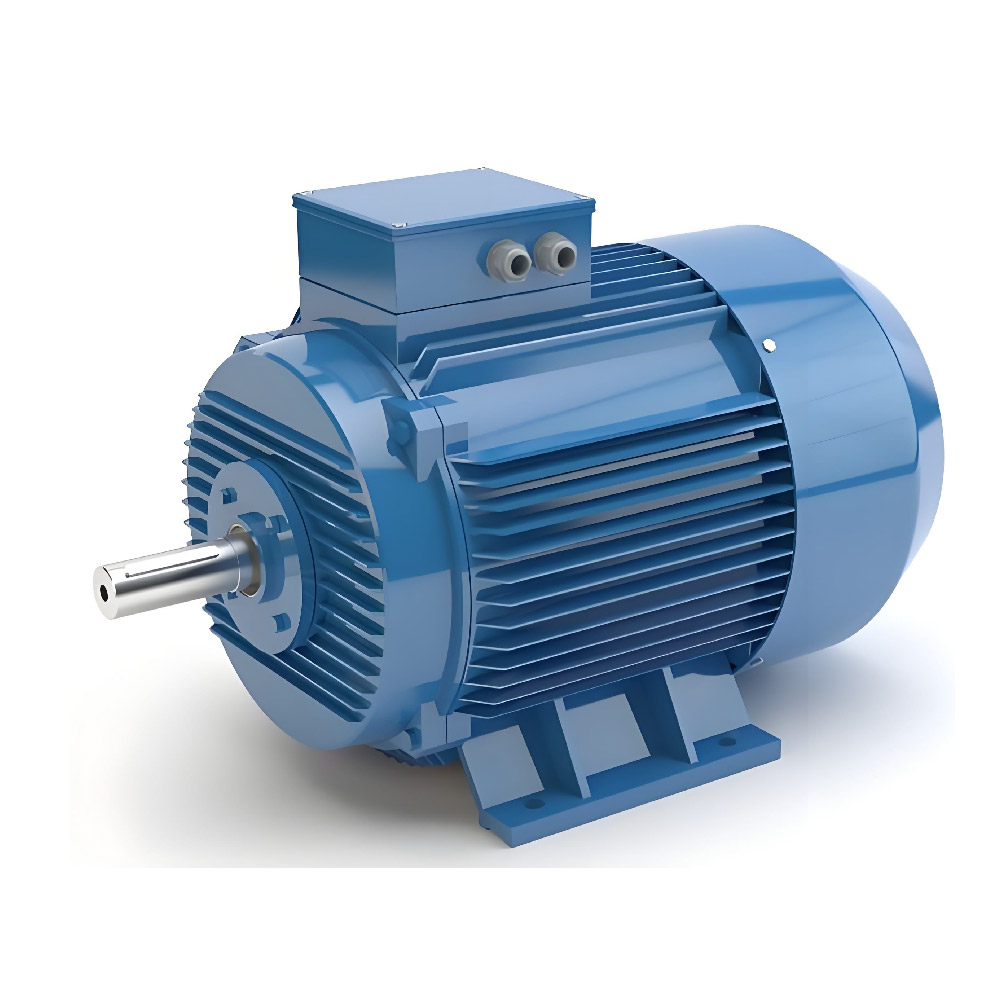
As the power core of industrial production, the efficiency, energy consumption, and stability of industrial motors depend fundamentally on the performance of the silicon steel core. The silicon steel core serves as the “heart and skeleton” of the motor, responsible for magnetic conduction, energy storage, and loss reduction; these elements work in tandem to determine the motor’s overall quality.
The manufacturing process for silicon steel cores is rigorous and precise. First, high-grade cold-rolled silicon steel sheets are selected and processed through slitting and shearing to produce core laminations of standard dimensions. Next, the laminations are tightly stacked using a laminating process, with the stacking coefficient controlled to ensure a compact magnetic circuit. The stack is then secured via riveting or welding, followed by an insulating coating to prevent eddy current losses. Finally, heat treatment is applied to eliminate internal stresses and enhance magnetic permeability.
In terms of performance, high-quality silicon steel cores offer three core advantages: low iron loss, high magnetic permeability, and high insulation. Low iron loss reduces heat generation during motor operation and lowers energy consumption; high magnetic permeability increases magnetic flux density, enhancing motor torque and output power; and good insulation suppresses eddy currents, extending the motor’s service life. The higher the silicon steel grade (e.g., 35WW300), the better the core performance, making it suitable for high-performance motor requirements.
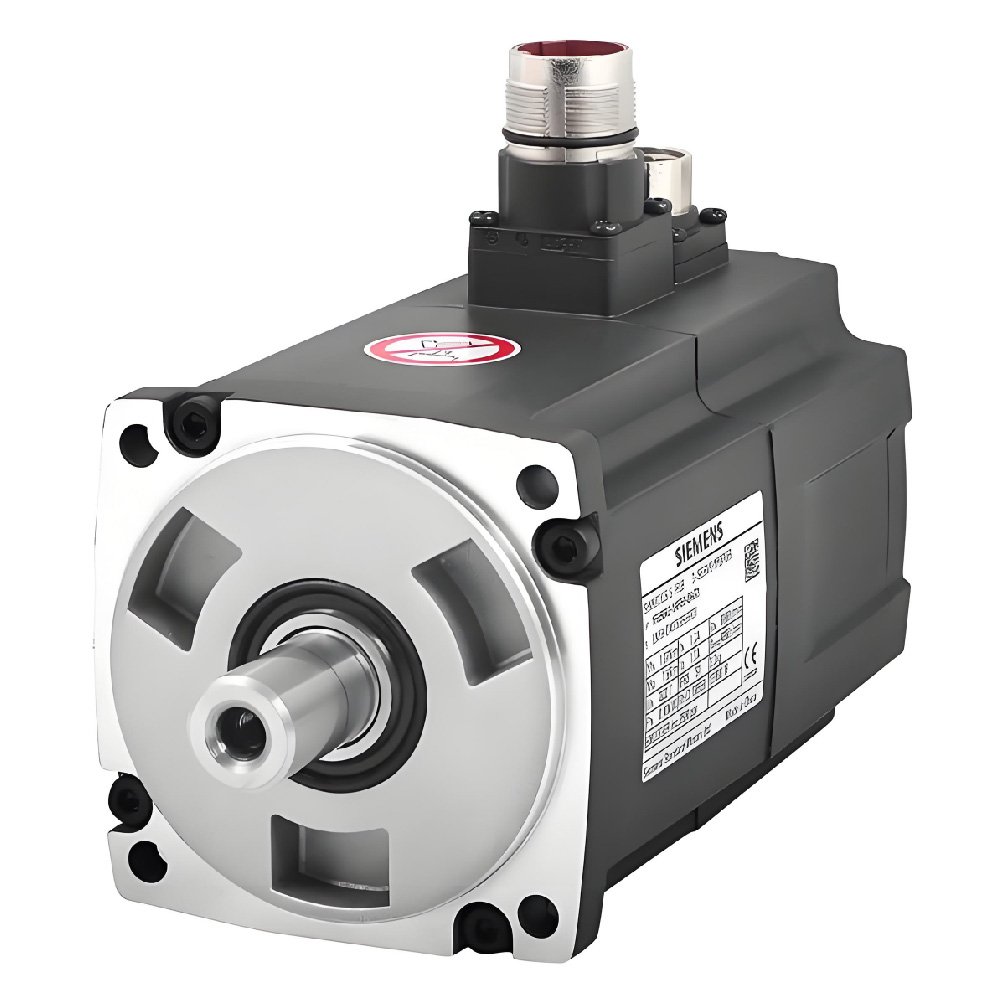
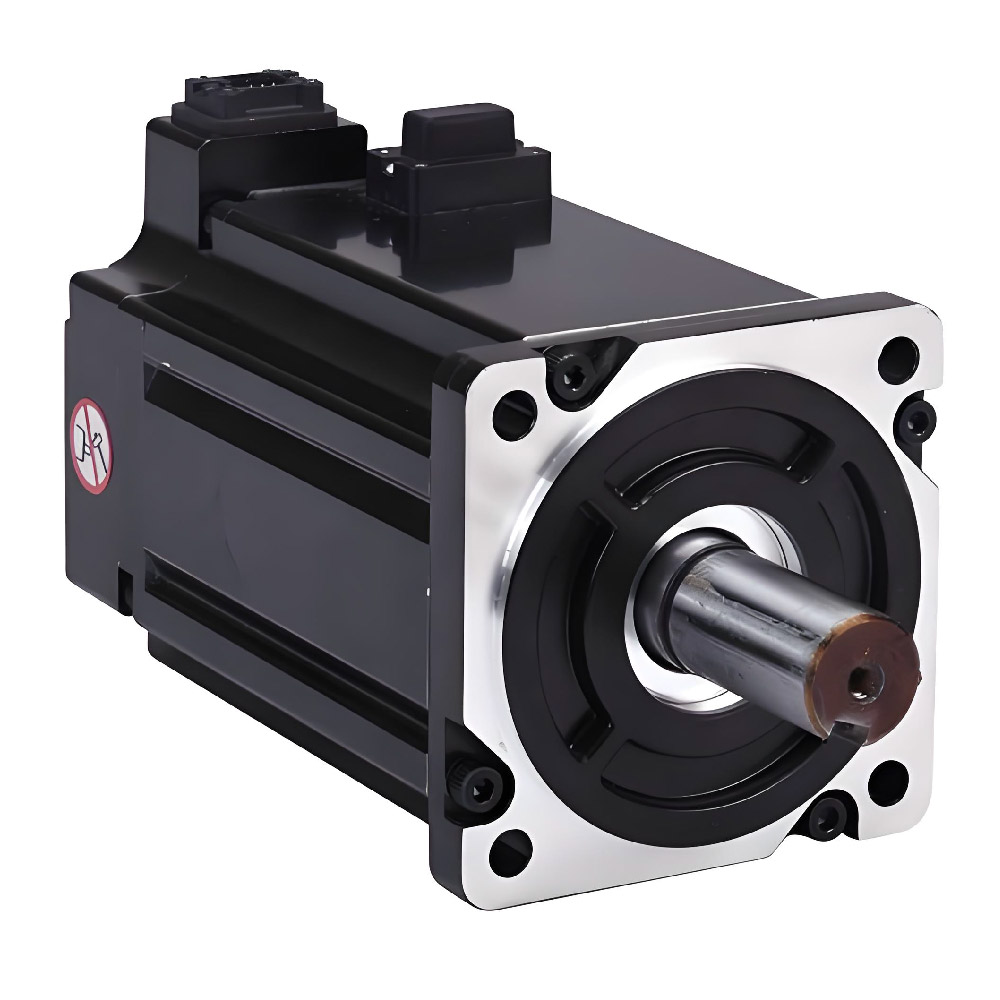
Industrial motors have a wide range of applications, covering industrial fans, pumps, compressors, machine tools, metallurgical equipment, and new energy equipment. Standard industrial motors are suitable for conventional silicon steel cores; high-efficiency, energy-saving motors and variable-frequency motors, however, require high-grade silicon steel cores to meet the demands of high-frequency and heavy-load operation.
Three key considerations must be observed during selection and use: First, ensure the silicon steel grade is appropriate; avoid using low-grade cores in high-frequency applications. Second, strictly control the lamination accuracy of the core, as excessive gaps can increase losses. Third, ensure proper insulation protection to prevent damage from moisture and oil contamination, thereby avoiding short-circuit failures. The quality of the silicon steel core remains the key guarantee for the efficient and stable operation of industrial motors.



Jennifer –
Quantity and Quality both are upto the mark