
Description
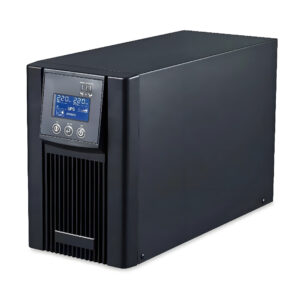
As the powerhouse of an audio system, the audio power amplifier is responsible for amplifying faint audio signals to their rated power and driving the speakers to produce sound. It is indispensable in everything from home theater setups to professional performance environments. The choice of core material—particularly silicon steel cores—directly influences the overall sound quality and stability of the unit.
In terms of core performance, mainstream power amplifiers are divided into two main categories: Class AB and Class D. Class AB amplifiers feature low distortion and a warm midrange, with total harmonic distortion (THD) kept below 0.5% and a frequency response covering the full 20Hz–20kHz range, making them the top choice for Hi-Fi equipment. Class D amplifiers, leveraging digital switching technology, achieve power conversion efficiency exceeding 90%, significantly reducing power consumption and heat generation, making them ideal for in-car and portable smart speakers. High-quality models are equipped with DSP audio chips, supporting crossover, delay, and soundstage calibration. They offer ample dynamic headroom, making them less prone to clipping or distortion during high-dynamic-range tracks.
Product applications span diverse fields: in the home, they complement home theater systems and desktop Hi-Fi setups; in commercial settings, they are used for stage performances and conference room sound reinforcement; car amplifiers have become standard in automotive audio systems, while smart home applications are driving sustained growth in demand for small digital amplifiers. There are clear guidelines for daily use: the amplifier’s rated power should be 1.2 to 1.5 times that of the speakers to allow for power headroom; place the unit away from enclosed, confined spaces to ensure proper heat dissipation, and avoid strong electromagnetic equipment; when powering on, follow the sequence of source device → amplifier to prevent instantaneous high currents from damaging components or circuits.
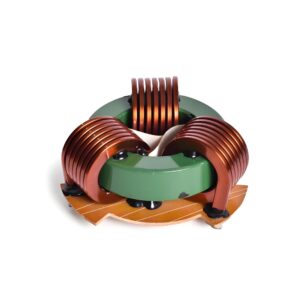
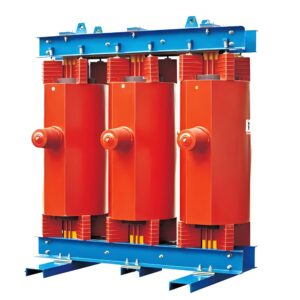
The internal highlights of an amplifier lie in its power transformer, where a cold-rolled grain-oriented silicon steel core is key to power stability. Thin, high-grade silicon steel laminations feature extremely low eddy current and hysteresis losses, along with excellent stray flux control, delivering a stable and pure power supply that prevents power noise from entering the audio circuit and causing background noise; Toroidal and EI-core silicon steel cores are tailored for different power ratings. Their high magnetic flux saturation characteristics prevent magnetic saturation during high-dynamic-range output, resulting in solid, full-bodied bass—a core reason why high-end analog amplifiers consistently opt for silicon steel transformers.
Looking at the industry as a whole, global power amplifiers are evolving toward digitalization, energy efficiency, and intelligence. AI-adaptive tuning and miniaturized integration have become mainstream trends, while whole-home audio, in-car entertainment, and cultural tourism performances continue to drive market growth. As high-end audio systems demand ever-higher sound quality, the demand for high-permeability, low-loss silicon steel materials is steadily rising. The silicon steel core supply chain will expand in tandem with amplifier upgrades, and precision processing of materials has become a shared development priority for both upstream and downstream sectors.


Reviews
There are no reviews yet.