
Description
| PRODUCT DETAILS | |
|---|---|
| Country Of Origin | China |
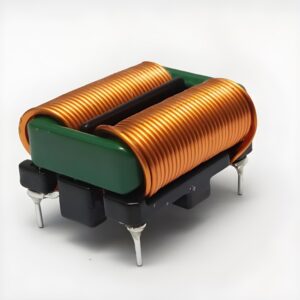
| Product Type | Common Mode Choke |
| Material | Nanocrystalline Core |
| Szie | Customized |
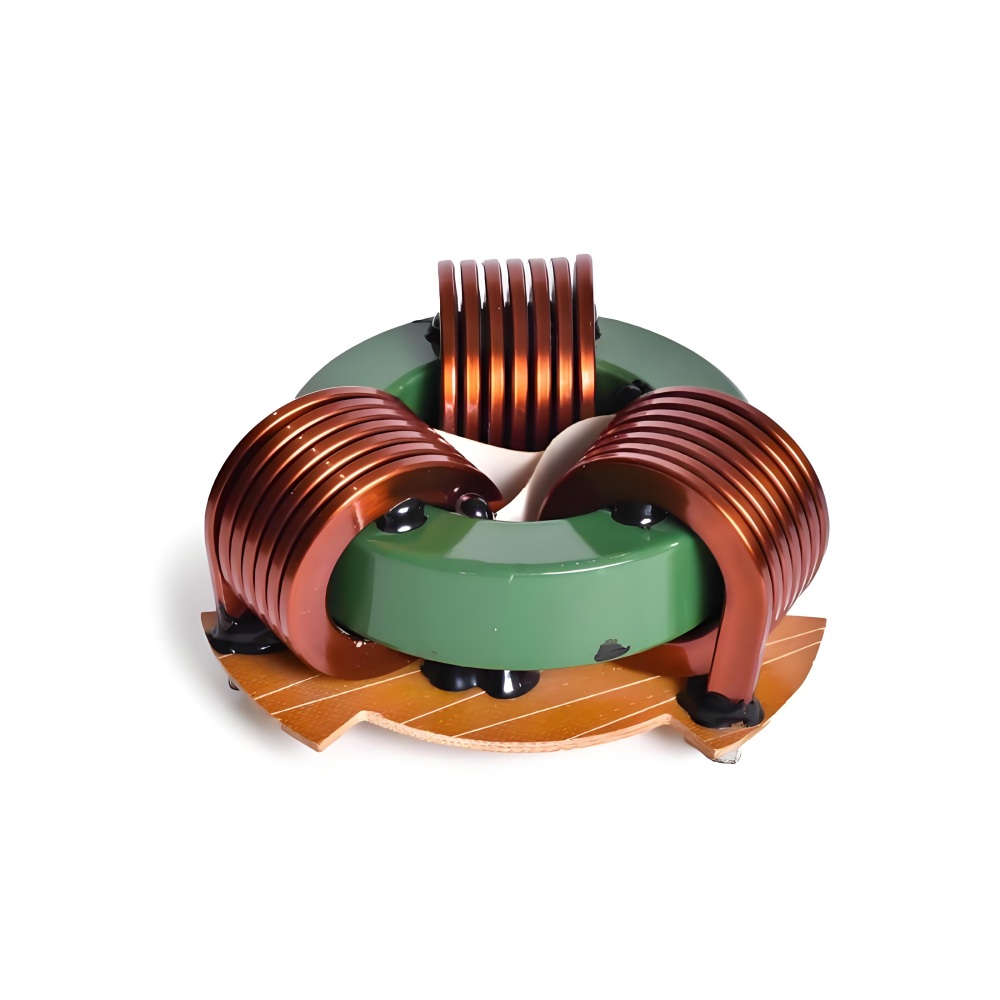
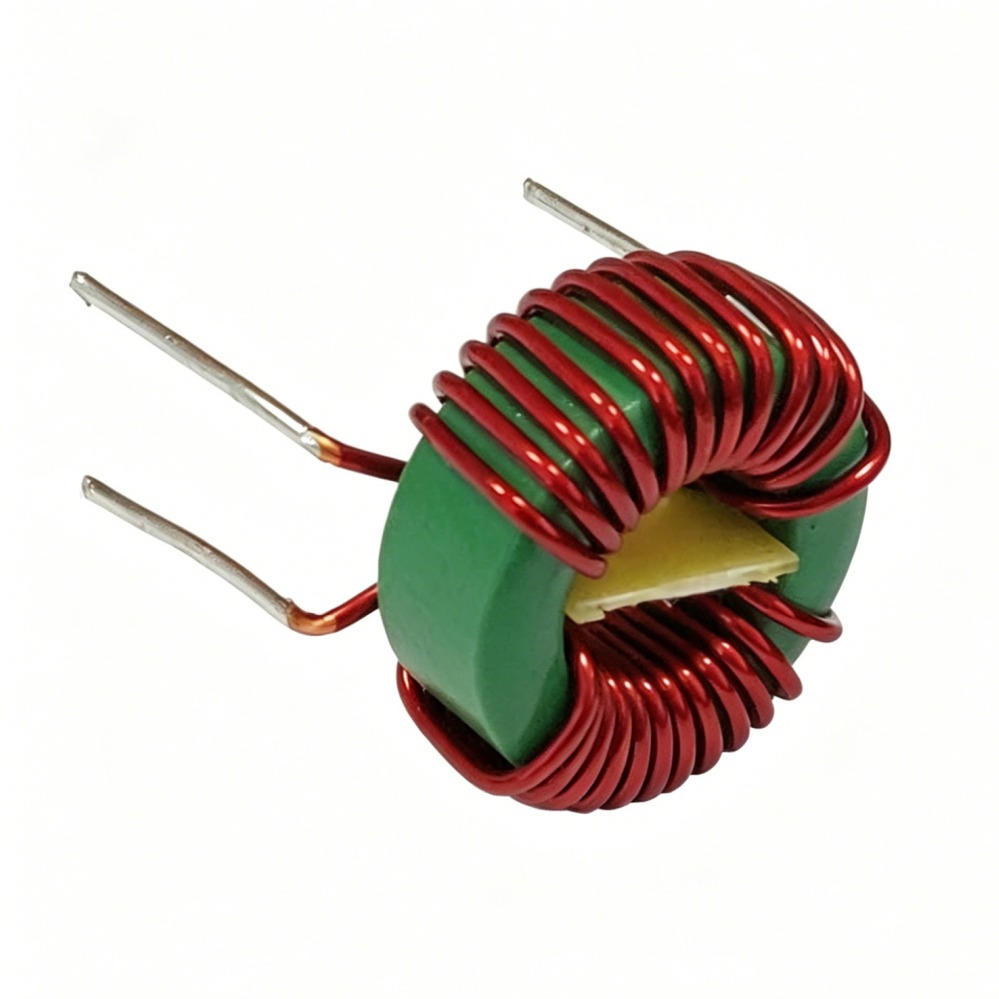
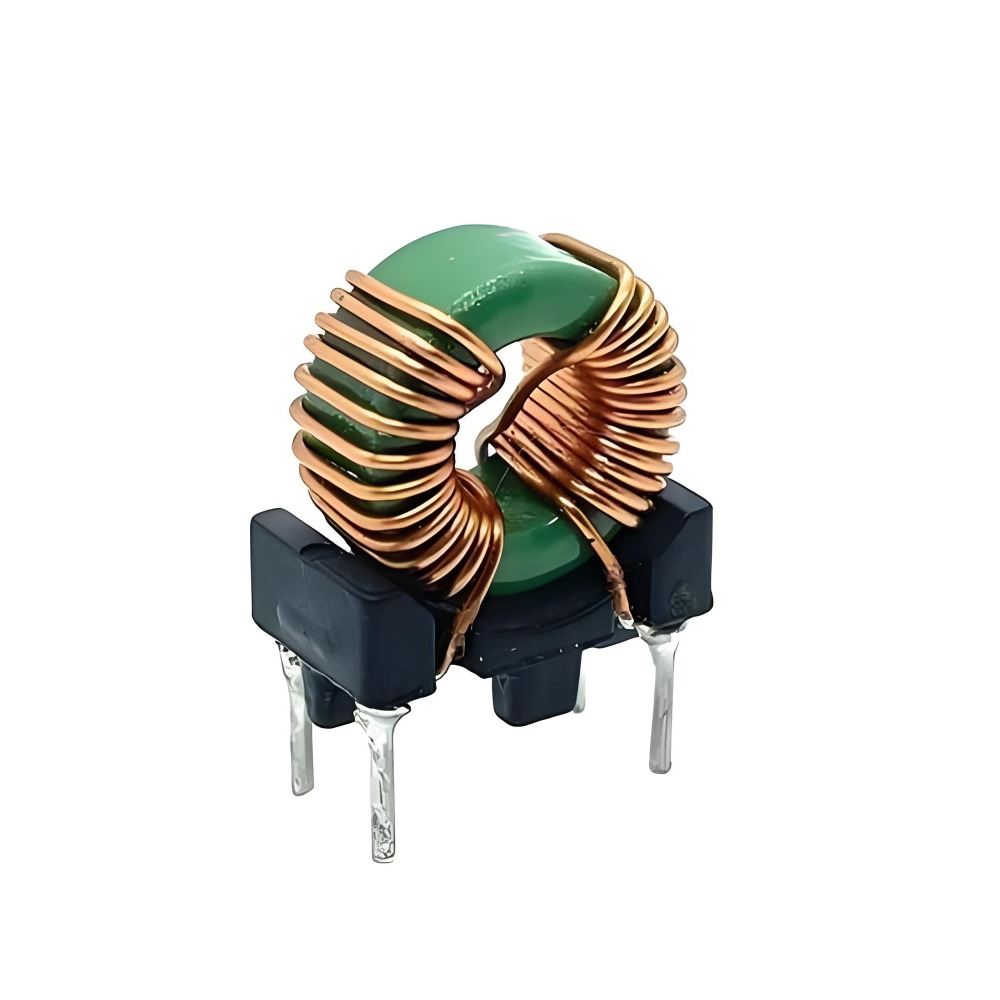
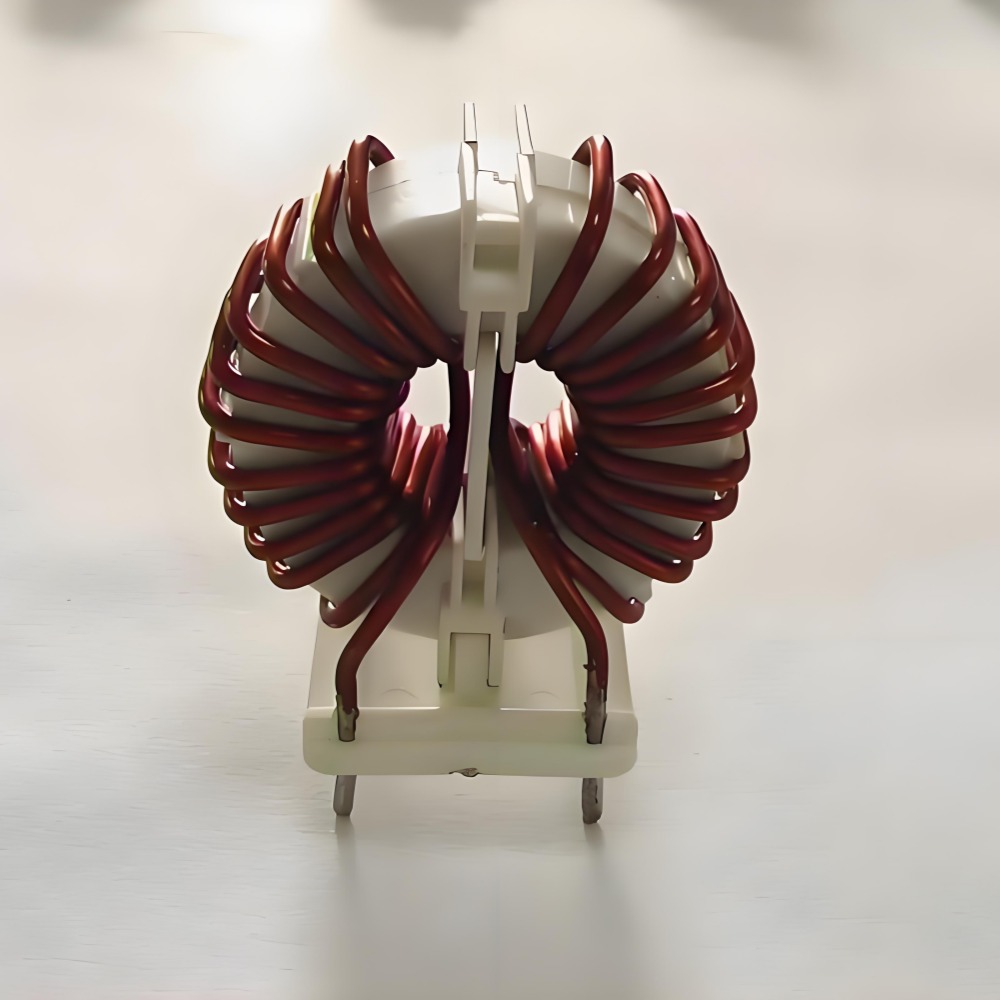
Common-mode chokes are core components in power supply circuits for suppressing common-mode interference, and their development has progressed in tandem with the gradual tightening of electromagnetic compatibility regulations for electronic devices. Early home appliances and switching power supplies primarily used manganese-zinc ferrite cores, which could only handle low-frequency noise. As power supplies for new energy and industrial control applications shifted toward higher frequencies, the shortcomings of traditional cores—low saturation flux density and high high-frequency losses—became apparent. Nanocrystalline cores, with their superior magnetic properties, have gradually become the mainstream magnetic material for high-end common-mode chokes.
The nanocrystalline core is the key factor determining the core performance of a common-mode choke. Compared to ferrites, nanocrystalline cores feature high magnetic permeability, low coercivity, and low high-frequency losses. They are resistant to magnetic saturation under high currents and can efficiently filter common-mode noise across a wide frequency range. The production process involves a complete set of steps, including core cutting, heat treatment, insulation coating, winding, and varnish curing. The precision annealing process directly determines the stability of the nanocrystalline core’s electromagnetic parameters.
Leveraging the advantages of nanocrystalline material, the finished inductors offer outstanding features: a wide filtering bandwidth, resistance to high-current surges, low temperature rise, and a compact size. Under rated operating conditions, electromagnetic losses are significantly lower than those of traditional ferrite products. Combining miniaturization with high reliability, these inductors are widely used in charging stations, photovoltaic inverters, industrial control power supplies, and new energy vehicle electronic control systems to block common-mode electromagnetic interference from the power grid and protect downstream components.
Operational guidelines must be followed: install away from heat-generating components to prevent demagnetization due to high temperatures; avoid prolonged operation at currents exceeding the rated value to prevent core saturation and failure; maintain a dry, dust-free operating environment, as moisture can damage the coil insulation and shorten service life.
As global mandatory EMC standards for electronic products become increasingly stringent and the new energy industry continues to expand, demand for high-end common-mode chokes is steadily rising. Driven by trends toward lightweight, compact, and high-efficiency designs, nanocrystalline common-mode chokes are steadily replacing traditional ferrite products. In the future, market opportunities will continue to expand in the fields of energy storage, automotive electronics, and high-power fast charging.




George –
Amazing Quility 😍