
Description
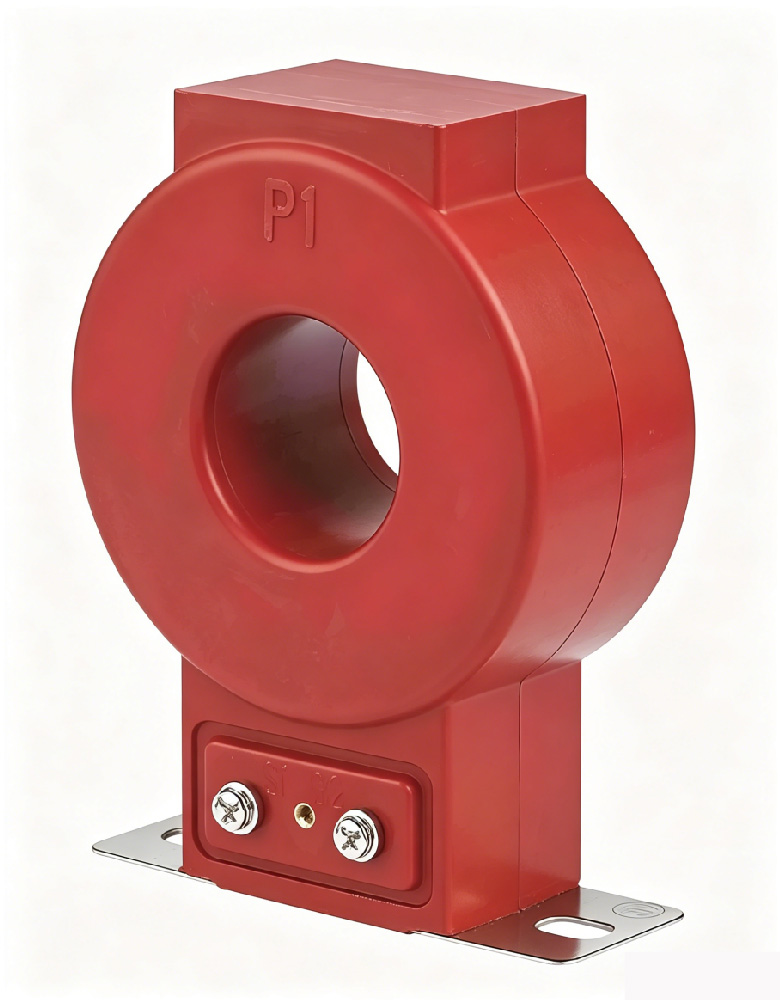
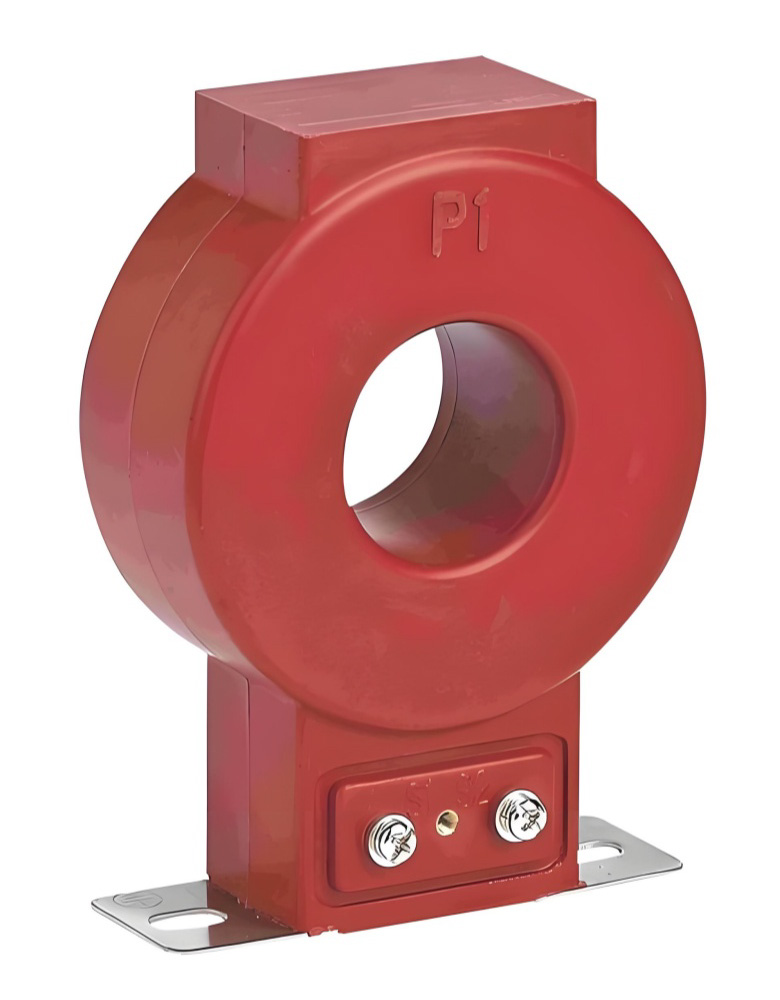
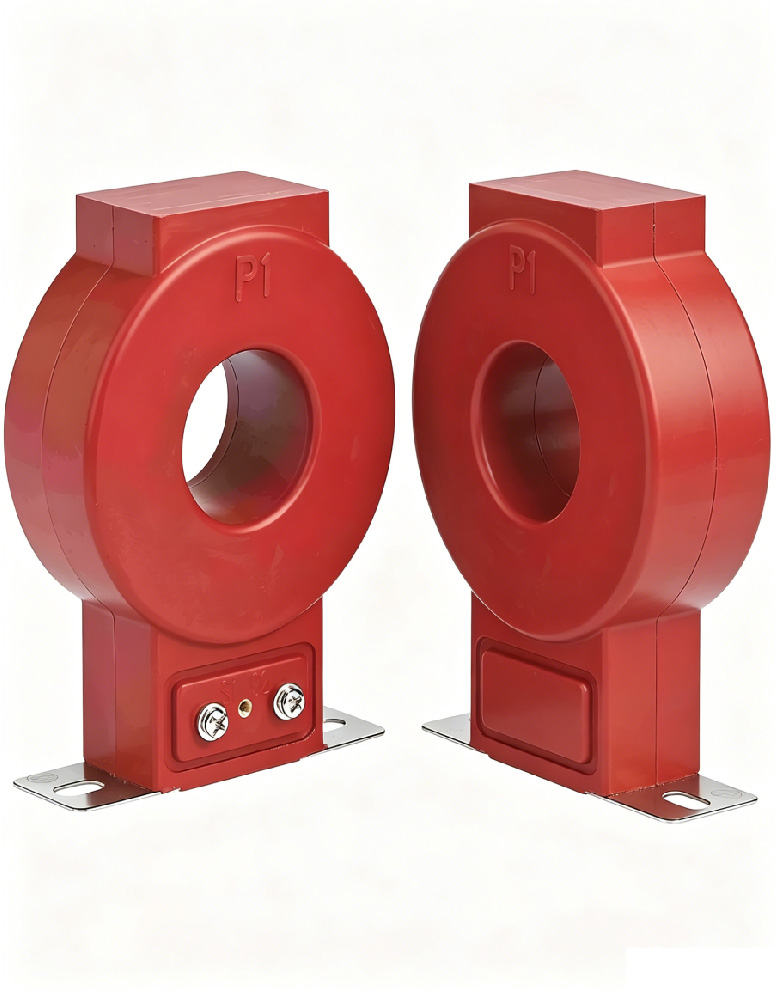
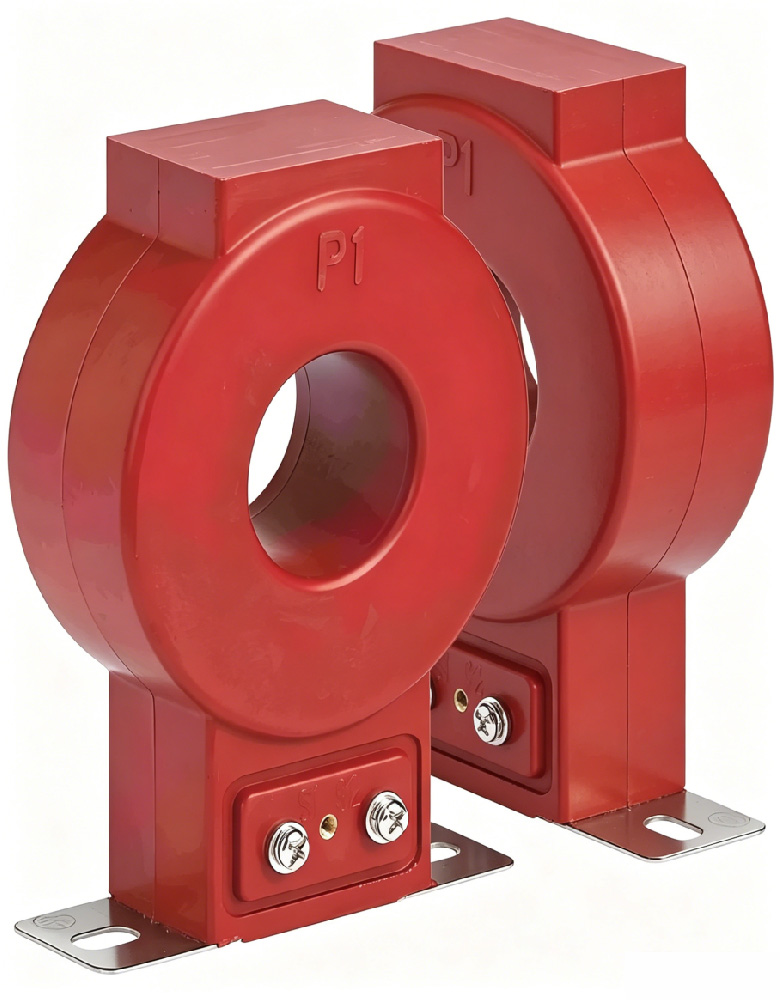
A current transformer (CT) steps down high primary currents to a standardized low secondary current for meters or protective relays. At its core — literally — lies a silicon steel lamination core. The quality of this core determines the CT’s accuracy and reliability.
Manufacturing Process
Most CT cores are toroidal (ring-shaped) and made from cold-rolled grain-oriented silicon steel strip. The process starts with slitting the steel into precise widths, keeping burrs to an absolute minimum. The strip is then tightly wound into a toroid using a winding machine, with the number of turns based on design specs. After winding, the core undergoes critical annealing — heating in a protective atmosphere to relieve internal stresses and restore grain orientation. This dramatically reduces core loss and magnetizing current. Finally, an insulating coating is applied and cured to prevent inter-laminar shorts.
Key Features
Silicon steel offers high magnetic permeability and low loss, allowing the CT to maintain excellent linearity over a wide current range — ratio and phase errors stay within limits. Because toroidal cores have no air gap, magnetic leakage is minimal.
What to Watch For
Three pitfalls stand out. First, burrs: even tiny burrs at slit edges cause localized shorts, raising temperature and increasing errors. Second, insufficient annealing: residual stress leads to higher magnetizing current, making the CT inaccurate at low currents. Third, external stress: if the core is over-tightened when mounted into the CT housing, permeability drops, degrading performance.
Performance
A good CT core exhibits low magnetizing current, high saturation flux density, and stable ratio/phase errors. Standards like IEC 61869 define error limits for accuracy classes (0.2, 0.5, etc.). The steeper the core’s magnetization curve and the longer its linear region, the better the CT.
Applications
You’ll find these cores everywhere: from the low-voltage CT next to your electricity meter, to oil-filled CTs inside high-voltage substations, and zero-sequence CTs in switchgear. With the rise of smart grids and protection systems, cores must now handle transient currents and resist saturation. Bottom line: wherever current needs measuring or monitoring, a silicon steel CT core is doing the job.



Reviews
There are no reviews yet.