
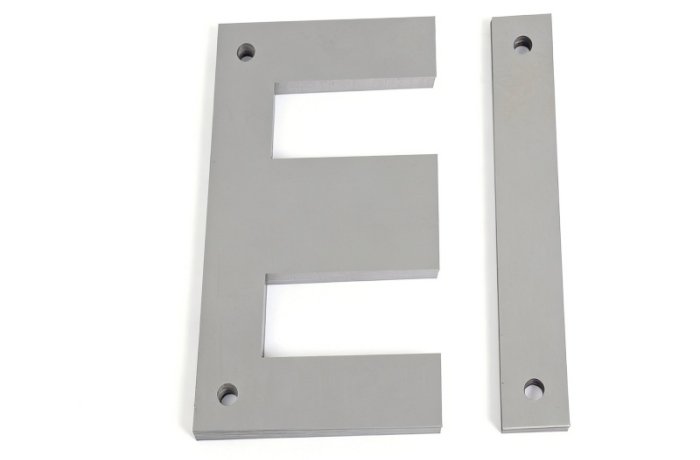
Everything About EI Silicon Steel Sheet
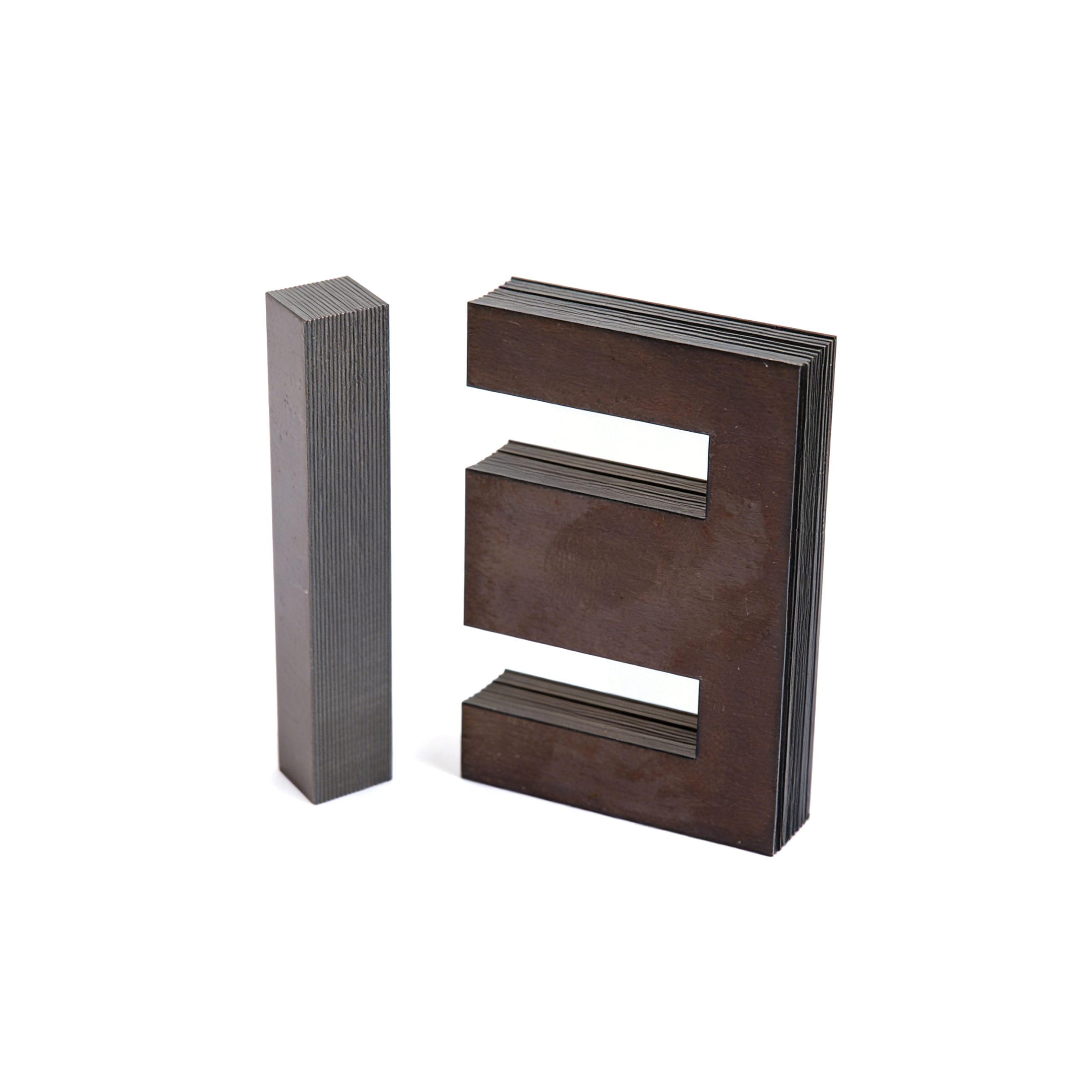
EI silicon steel sheet, named after its characteristic “E” and “I” shapes, is a fundamental material in the production of transformer cores, inductors, and other electromagnetic devices. These laminations are stacked together to form the magnetic core of transformers, where the “E” shape provides the primary magnetic path and the “I” shape acts as a closing element to complete the magnetic circuit. The primary purpose of using laminated silicon steel is to minimize eddy current losses and enhance the efficiency of electrical equipment.
 Manufacturing Process
The manufacturing process of EI silicon steel sheet involves several critical stages that demand high precision and strict quality control.
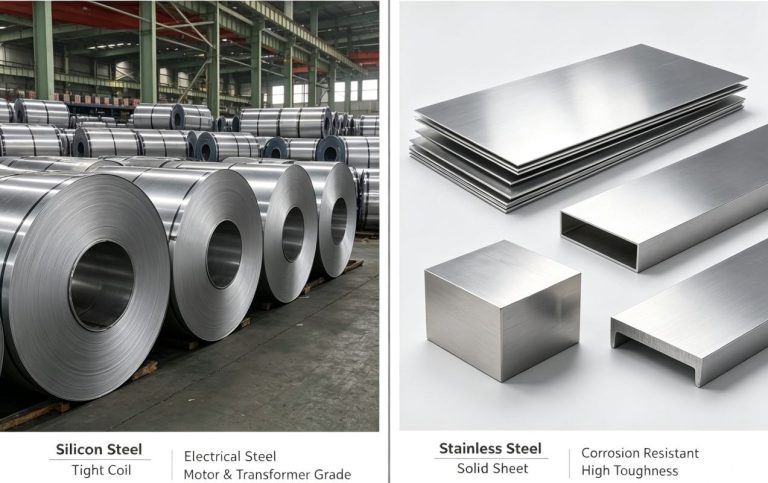
Material Selection – High-grade electrical steel with a silicon content generally below 4.5% is chosen for its excellent magnetic properties. Typical thicknesses range from 0.23 mm to 0.5 mm.
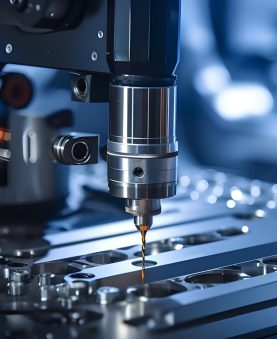
Shearing and Stamping – The steel coils are first sheared into appropriate dimensions, then fed into high-speed precision punching machines. Using precision dies, the sheets are stamped into exact E and I shapes, ensuring clean edges, minimal burrs (≤0.03 mm), and consistent dimensions.
Deburring – Stamped laminations undergo deburring (mechanical brushing or chemical polishing) to remove sharp edges and burrs, which is essential for proper stacking and electrical insulation between layers.
Surface Insulation Coating – A thin insulating layer, typically phosphate or organic varnish, is applied to each lamination. This coating increases inter‑laminar resistance, further reducing eddy currents and protecting against corrosion.
Annealing (Stress Relief) – The laminations are heat‑treated in a controlled atmosphere (e.g., nitrogen‑hydrogen mixture) to relieve internal mechanical stresses induced during punching. This annealing step restores optimal magnetic properties, enhances magnetic permeability, and minimizes core losses.
Cleaning and Stacking – After annealing, the laminations are cleaned and stacked into the required core shapes with precise alignment, minimising air gaps that could degrade magnetic performance. The stack is then secured with clamps, rivets, or adhesive.
Specifications
EI silicon steel sheets are available in various standardized sizes. Common EI designations (e.g., EI‑28, EI‑35, EI‑48, EI‑57, EI‑66, EI‑76) refer to the center leg width in millimetres. Thicknesses are typically 0.23 mm, 0.27 mm, 0.35 mm, or 0.50 mm. Materials are sourced from leading brands such as Baosteel, Nippon Steel, JFE, POSCO, and NLMK. Non‑oriented silicon steel is often preferred for small transformers and motor cores where omnidirectional magnetic properties are needed, while grain‑oriented steel is used in larger power transformers where magnetic flux follows a single direction.
 Applications
EI silicon steel laminations are widely employed across numerous industries:
- Power transformers (linear power supplies, battery chargers, audio amplifiers)
- Inductors and chokes (filters, PFC circuits)
- Reactors (power factor correction, VFD input/output reactors)
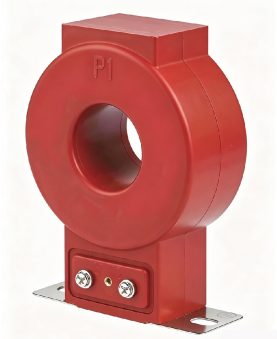
- Electromagnetic systems of relays and current transformers
- Stator and rotor cores for small motors (fans, compressors, power tools)
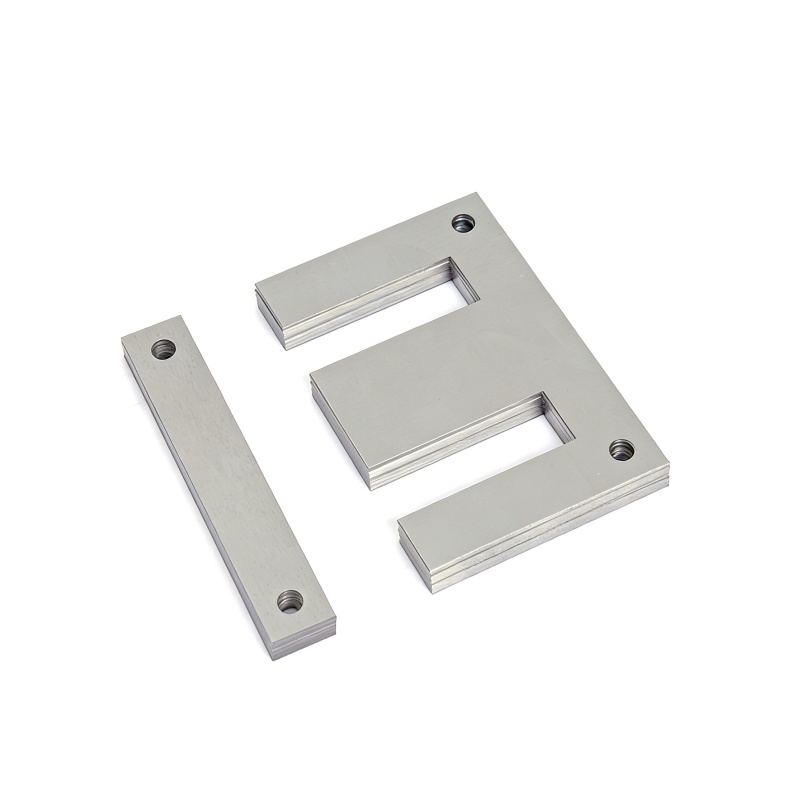
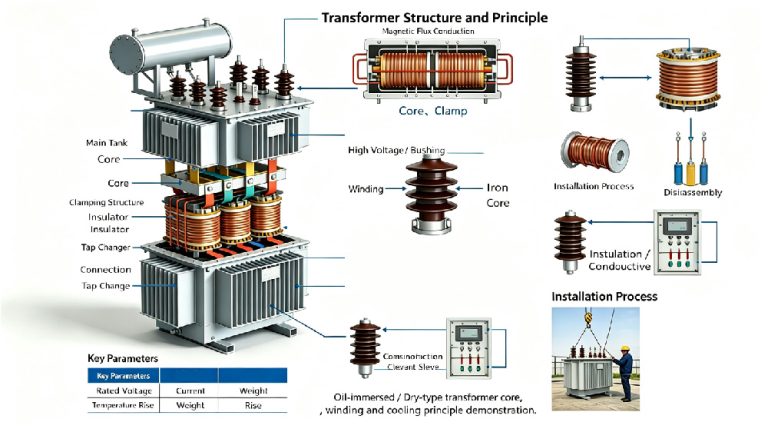
EI‑type transformers—built from stacked E and I laminations—are commonly found in machine tool control circuits, instrumentation power systems, and audio signal processing applications. The EI structure offers a closed magnetic circuit with very small air gaps, making it ideal for 50/60 Hz applications. Compared to toroidal cores, EI cores are easier to wind and allow the introduction of a deliberate air gap when needed (e.g., for energy‑storage inductors).
Significance
Given the critical role of EI silicon steel sheets in energy conversion and transmission, the quality of these materials directly impacts the efficiency of the final electrical equipment. Proper material selection, precise manufacturing (stamping, deburring, coating, annealing), and rigorous quality control are essential to meet the growing demand for energy‑efficient, low‑loss, and reliable electromagnetic devices.



Thank you, we will keep posting
Repudiandae voluptas omnis voluptatem velit quas aut quia
Thank you Dena
I will send you information
Error voluptatum quam dolore harum. Qui aliquid perferendis aut recusandae iusto. Exeid fuga aspernatur est dolores. Reprehenderit dolor non tenetur aut. Et facilis alias nihil nostrum et Exercitationem perspiciatis qui sit Consequatur vel ut placeat esse aut.
Velit ut voluptas magni autem in cum quidem. Fugit cupiditate velit ad. Sed vel autem itaque libero
Voluptas voluptatem soluta laboriosam dolorem explicabo ut ad molestiae. Esse eum sapiente veniam