
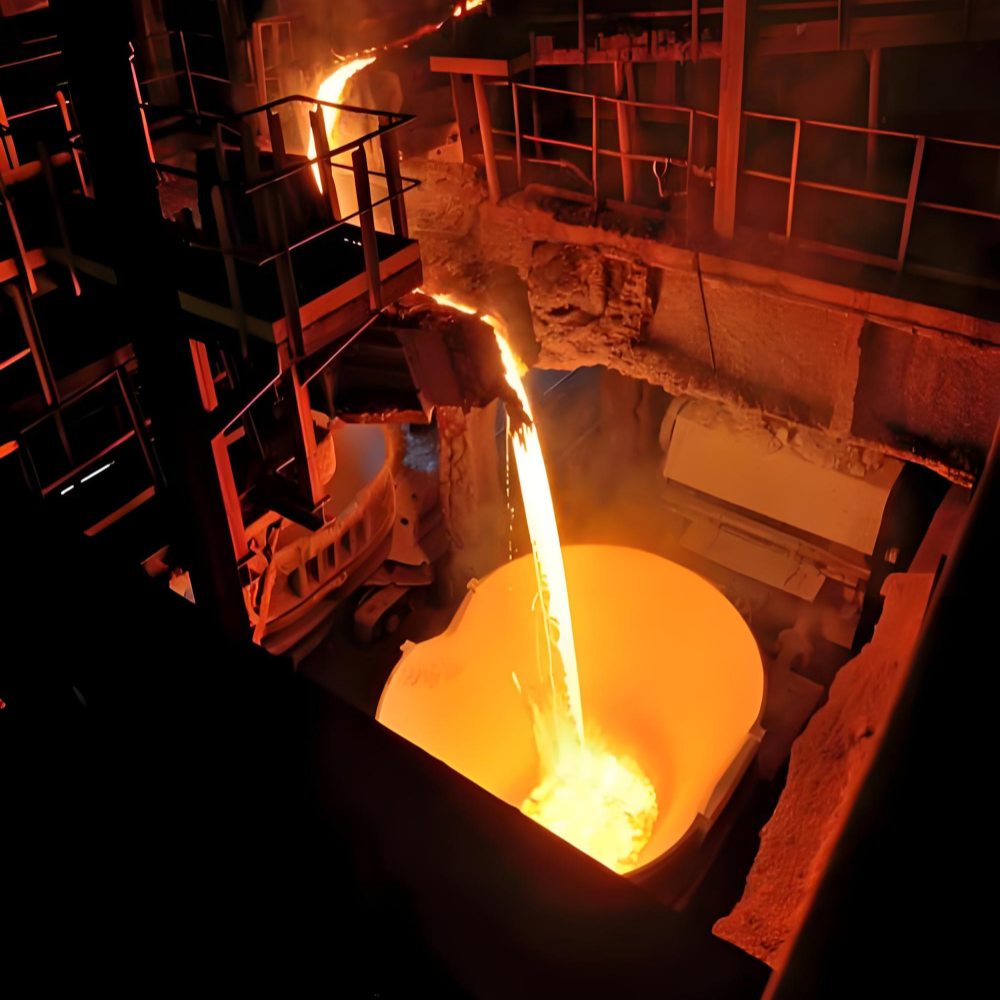
What is silicon steel.
Silicon alloy steel, containing 1.0–6.5% silicon and less than 0.08% carbon, is called silicon steel. It is characterized by high magnetic permeability, low coercive force, and high resistivity, resulting in low hysteresis and eddy current losses. It is primarily used as a magnetic material in electric motors, transformers, electrical appliances, and electrical instruments. To meet the requirements of stamping and shearing during the manufacture of electrical appliances, it must also possess a certain degree of plasticity. To improve magnetic performance and reduce hysteresis loss, the content of harmful impurities should be as low as possible, and the sheets must be flat with good surface quality.
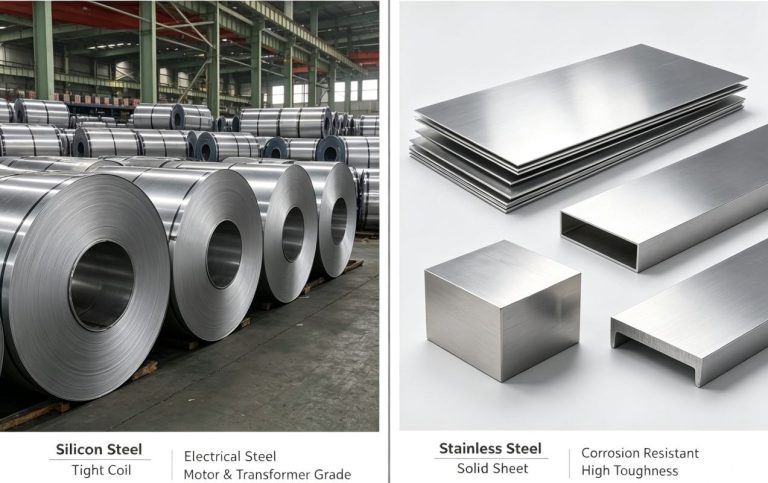
Two different silicon steel.
Based on the orientation of the internal grain structure, silicon steel is primarily classified into grain-oriented silicon steel and non-grain-oriented silicon steel. In grain-oriented silicon steel, the grains are generally aligned in the rolling direction, resulting in excellent magnetic properties in specific directions; it is mainly used in transformer manufacturing and typically contains more than 3% silicon. In non-oriented silicon steel, the grain distribution is random, resulting in uniform magnetic properties in all directions. With a silicon content ranging from 0.5% to 3%, it offers higher mechanical strength and is easier to stamp and form, making it the core material for manufacturing various types of electric motors. Key performance indicators primarily include low iron loss, which is a crucial measure of quality.
How the silicon steel work.
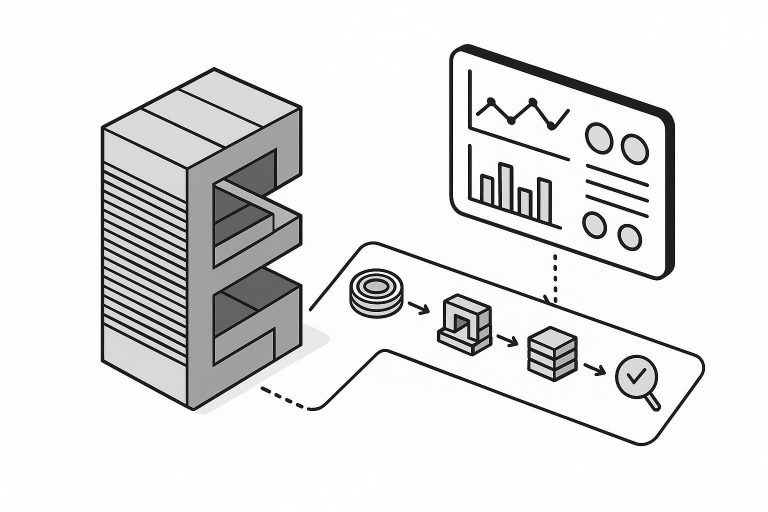
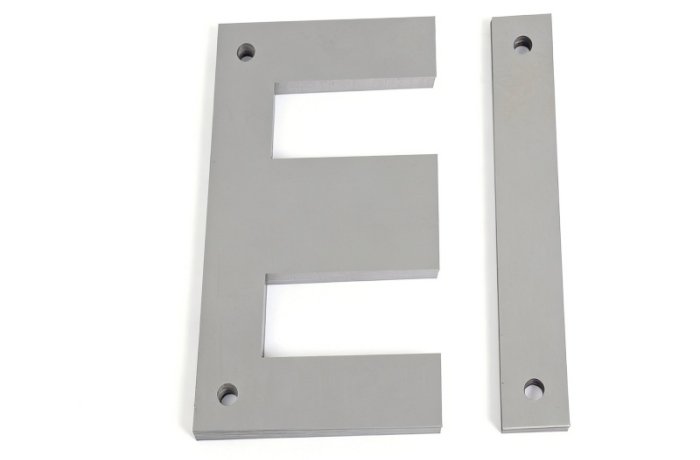
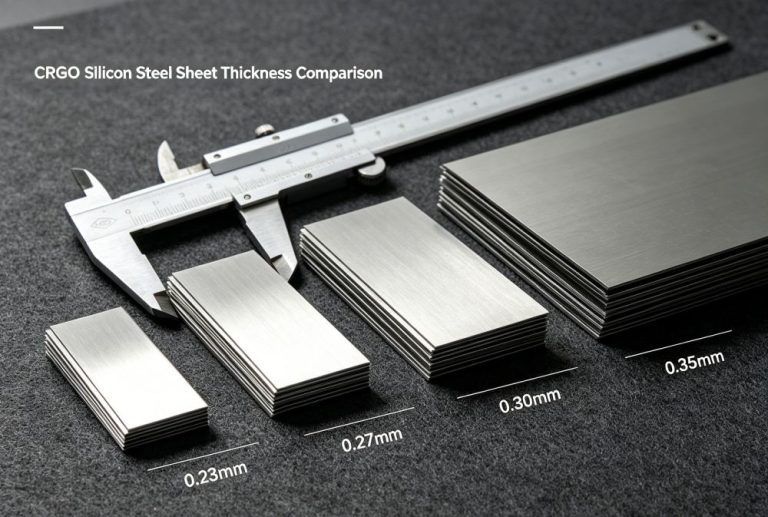
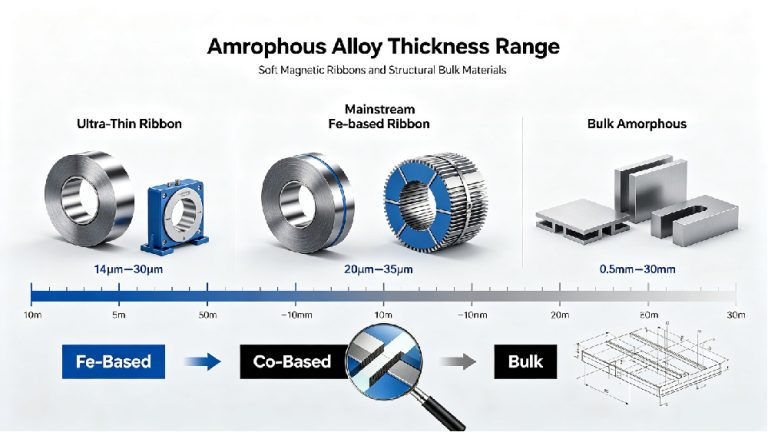
The main forms of silicon steel products produced are stacked sheets—whether laid flat, bent, or coiled. Individual sheets of silicon steel have no industrial application; they must all be assembled into stacks, regardless of thickness. A certain thickness is always required for the material to fulfill its intended functions. There are many types of stacked products, such as EI stacks, silicon steel cores, amorphous cores, and nanocrystalline cores.
Siliicon steel producing process:
The main production process for silicon steel is as follows:
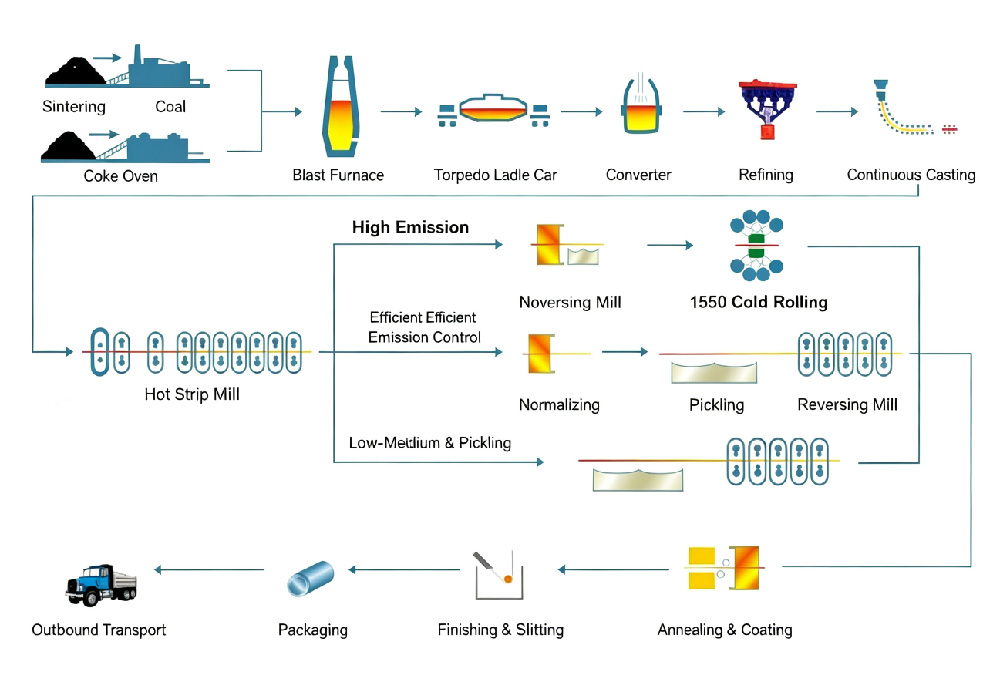
- Smelting
Silicon steel is primarily smelted in an oxygen converter (though electric arc furnaces may also be used), combined with vacuum treatment of molten steel and AOD technology (see “Out-of-Furnace Refining”), using either mold casting or continuous casting methods. Depending on the intended application, the silicon (0.5–4.5%) and aluminum (0.2–0.5%) content is adjusted during smelting to meet different magnetic performance requirements. Higher-grade silicon steel sheets contain correspondingly higher levels of silicon and aluminum. Carbon, sulfur, and inclusions are minimized as much as possible. During production, the content of oxide non-metallic inclusions (NIs) must be strictly controlled to ensure magnetic performance.
2 Rolling
Cold-rolled silicon steel sheets exhibit better magnetic properties, surface quality, filling factor, and punchability than hot-rolled silicon steel sheets, and can be produced in coils. Consequently, some countries have ceased production of hot-rolled silicon steel sheets since the 1960s. Hot-rolled silicon steel sheets are manufactured using a single-pass rapid hot-rolling process at a relatively low temperature of approximately 900°C, followed by stack annealing under hydrogen protection. This method yields a high yield rate and results in superior surface quality and magnetic properties in the finished product.
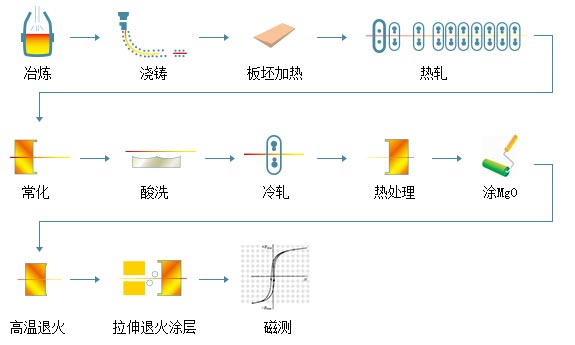
3 Pickling
Oxides are removed from the hot-rolled steel strip using a descaling machine and a hydrochloric acid tank to prevent surface defects in the cold-rolled finished product.
4 Cold Rolling
To ensure the required thicknesses and material properties for various applications, the reduction ratio is set between 40% and 90%, and advanced control equipment—such as automatic thickness control and automatic shape control systems—is employed. The 18-roll, six-stand continuous cold rolling mill, which utilizes low-temperature HiB steel rolling technology, can be used for the production of thin-gauge grain-oriented silicon steel.
5 Annealing
This process softens the steel strip that has been hardened during cold stamping. Through metal heating and rapid cooling, steel for further processing and high-tensile steel are produced, utilizing both box annealing (enclosed annealing) and continuous annealing methods.
6 Insulation Coating
When processing silicon steel sheets into cores, to improve their processability and prevent eddy current losses equivalent to the square of the sheet thickness, continuous coating equipment is used to spray an insulating coating onto both the top and bottom surfaces of the steel sheets.




Est tenetur molestiae sed voluptatem Quo nulla optio sequi sit dolorem laborum. Commodi sint minus occaecati est asperiores Non dolores. Id dolores et rerum Reprehenderit voluptatibus sed modi hic.
Eligendi culpa cum sit fficiis inventore nulla non maiores culpa optio ducimus est ullam at nisi ea. Consequatur et culpa accusamus ea. Incidunt velit dicta doloremque repellat quo magnam
Harum et libero debitis ea aspernatur vel est. Vel ab enim eveniet earum
You would want to ensure the plugin is installed and activated for the section to be visible.
In odit sunt sed. Maiores tempora ut ducimus accusantium. Aut voluptatibus et quidem quibusdam ea nisi