Why Does Silicon Steel Reduce Transformer Core Losses

Why Does Silicon Steel Reduce Transformer Core Losses

Why Does Silicon Steel Reduce Transformer Core Losses? I. Transformer core losses consist of two main components. The losses generated by an alternating magnetic field acting on the interior of the core are collectively referred to as “core losses”, which are divided into:Hysteresis LossThis is the energy consumed by the friction between magnetic domains within…
What is the difference between silicon steel and stainless steel?

What is the difference between silicon steel and stainless steel?

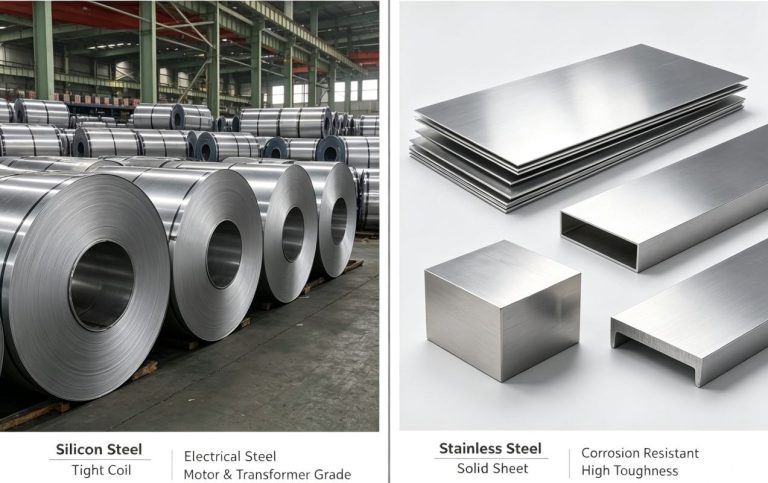
The Difference Between Stainless Steel and Silicon Steel I. Fundamental Differences in Composition Design Stainless steel and silicon steel are like brothers with vastly different personalities in the world of metals; their formulation approaches are completely different: Stainless steel is primarily a chromium-nickel alloy (typically containing 10–20% chromium), like rust-proof armor for iron. Silicon steel…

Which steel used for transformer core?

Which steel used for transformer core?

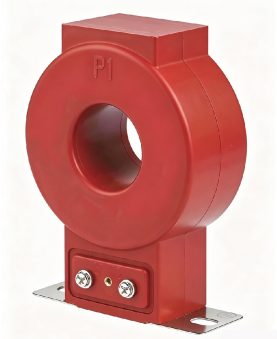
Transformer core: the core is the primary magnetic path component of a transformer. It is typically constructed by stacking hot-rolled or cold-rolled silicon steel sheets with a high silicon content, which are coated with insulating varnish on their surfaces. The core and the coils wound around it form a complete electromagnetic induction system, which is…

How is silicon steel made?

How is silicon steel made?

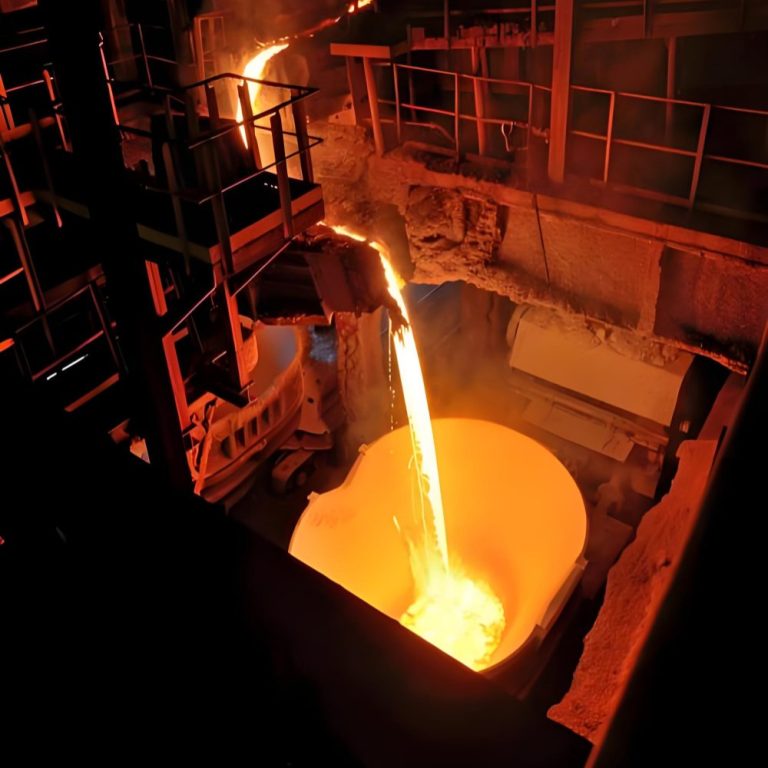
What is silicon steel. Silicon alloy steel, containing 1.0–6.5% silicon and less than 0.08% carbon, is called silicon steel. It is characterized by high magnetic permeability, low coercive force, and high resistivity, resulting in low hysteresis and eddy current losses. It is primarily used as a magnetic material in electric motors, transformers, electrical appliances, and…

End of content

End of content