
Description
Wireless charging devices are smart power supply units that enable contactless power transmission based on the principles of electromagnetic induction and magnetic resonance. This technology was first proposed in the early 20th century. Early commercial devices typically used ferrite cores, which featured simple structures and lower costs. However, they suffered from drawbacks such as high magnetic leakage, high-frequency losses, and poor heat resistance. As a result, they could only meet basic charging needs with low power and low efficiency, and were unsuitable for high-power fast-charging scenarios. With the rapid development of the smart device and new energy vehicle industries, the iteratively upgraded nanocrystalline iron cores have completely overcome the limitations of traditional materials, becoming the core magnetic materials for high-end wireless charging devices.
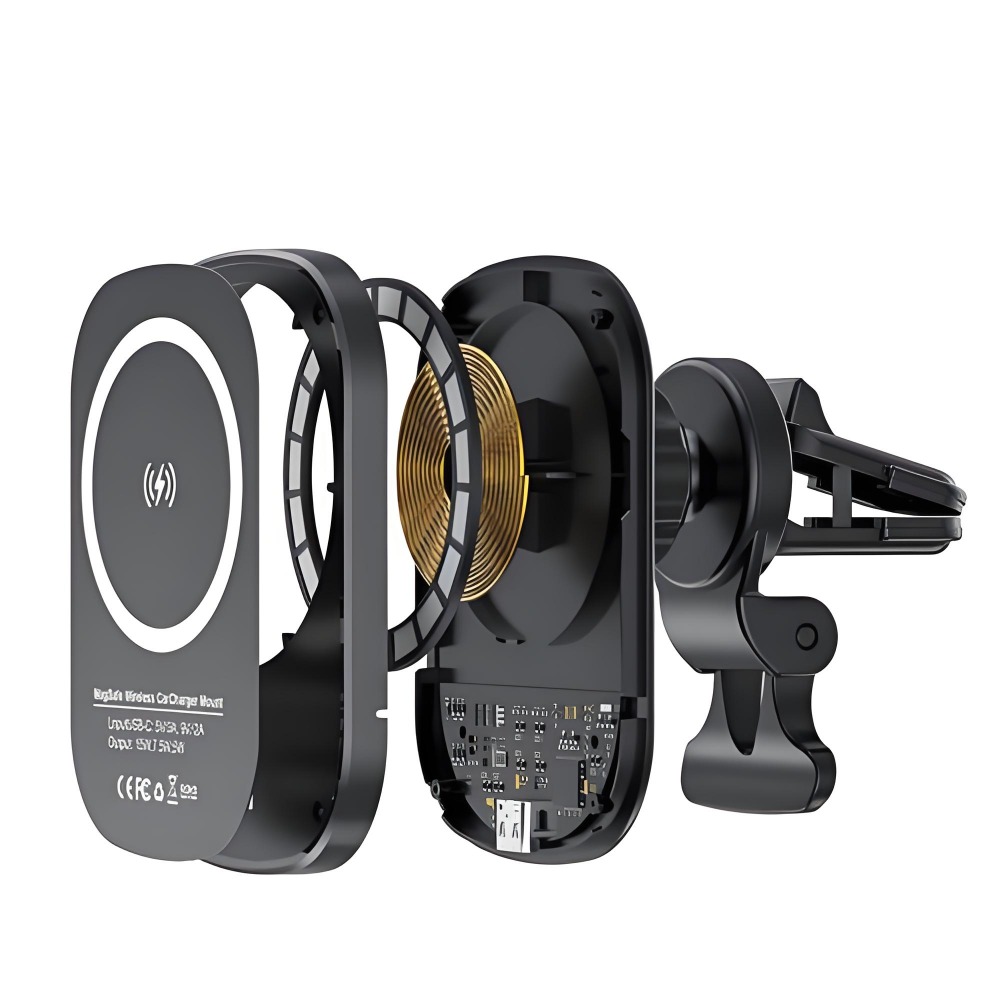
Nanocrystalline iron cores are the core components that determine the performance of wireless charging devices. Compared to traditional ferrites, nanocrystalline materials offer ultra-high magnetic permeability, extremely low high-frequency losses, and excellent resistance to magnetic saturation. They efficiently concentrate magnetic fields, reduce electromagnetic leakage, and significantly improve power transmission efficiency. At the same time, they significantly reduce the operating temperature rise of the device and maintain stable performance under high-temperature conditions, perfectly meeting today’s demands for high-frequency, high-power fast charging. This addresses the industry pain points of severe overheating, low efficiency, and bulky size associated with traditional devices.
The manufacturing process for wireless charging devices is highly precise and standardized. Core processes include precision cutting of nanocrystalline strips, vacuum-oriented heat treatment, insulation coating, symmetrical coil winding, shielding lamination, parameter calibration, and full-unit aging tests. The proprietary magnetic field annealing process refines the microstructure of the magnetic core and standardizes electromagnetic parameters. Combined with precision integrated packaging technology, this ensures charging stability, consistency, and longevity from the source.
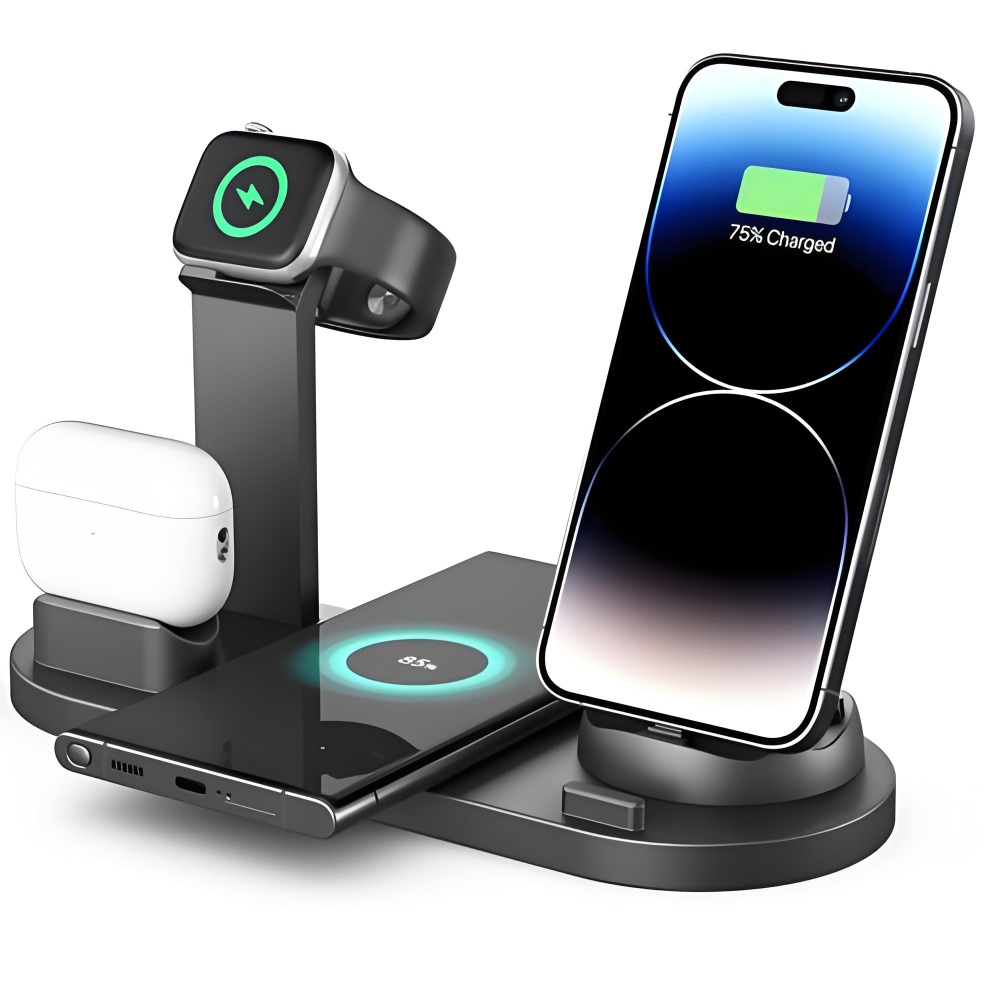
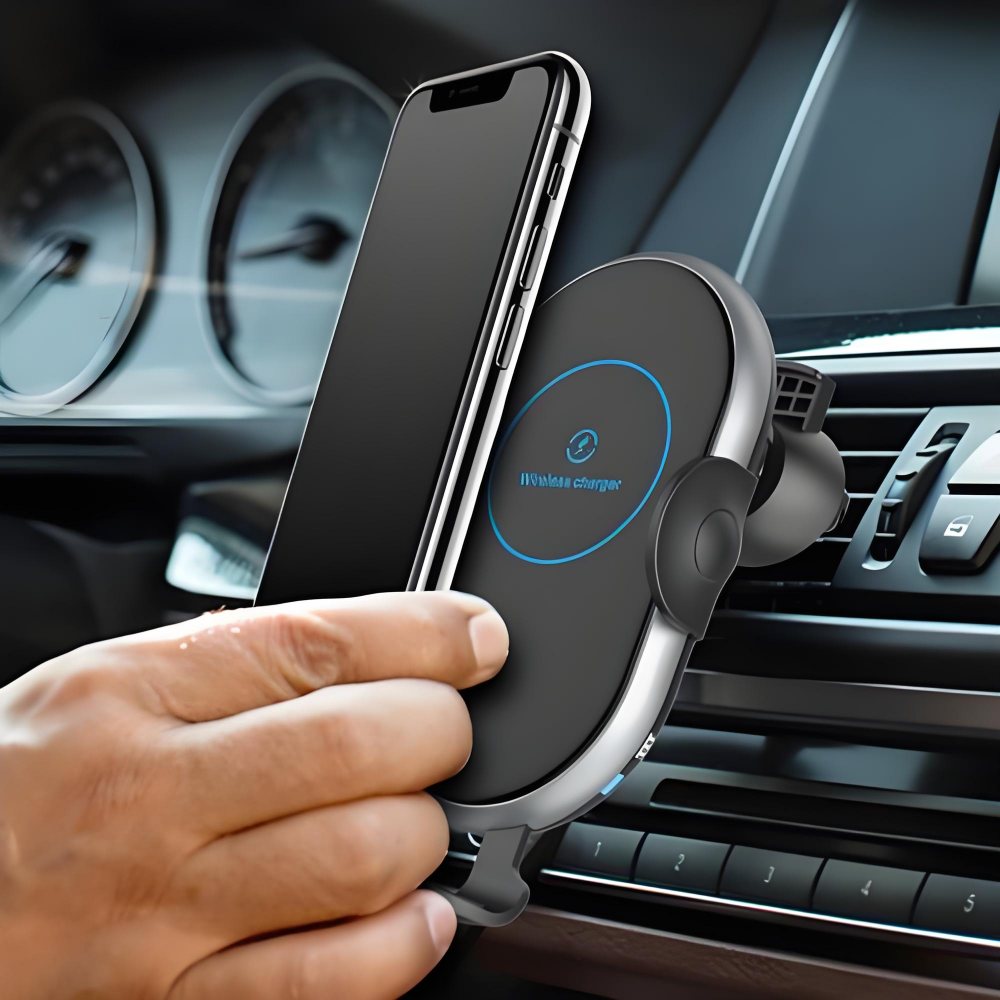
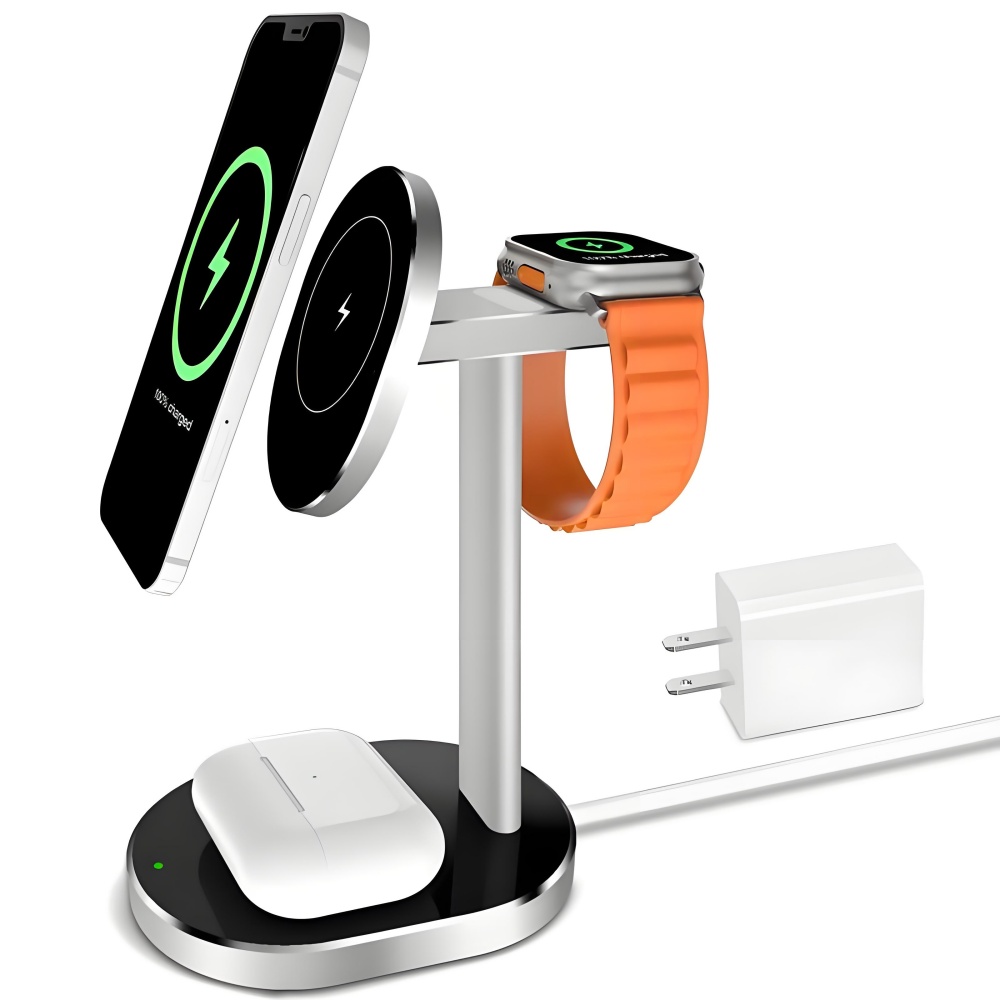
This device features contactless power delivery, safety and reliability, strong compatibility, maintenance-free operation, and broad adaptability. It eliminates common issues associated with wired interfaces—such as wear, short circuits, and loose connections—and supports free-position, contactless charging. Currently, it is widely used in smartphones, smart wearables, smart home devices, new energy vehicles, and industrial smart equipment, serving as a key supporting device for smart electrification upgrades.
To ensure long-term stable operation, the device must be used in accordance with specified requirements. The charging area must be kept dry, clean, flat, and free of debris; metal objects must not be placed on the surface to prevent eddy current overheating. Prolonged operation at overload or excessive power levels is prohibited to prevent performance degradation of the nanocrystalline magnetic core and a decline in charging efficiency. The device surface should be regularly cleaned of dust to maintain an optimal magnetic field transmission environment.
With the global penetration rate of smart devices continuing to rise, demand for high-power wireless fast charging and in-vehicle wireless charging is growing rapidly, driving strong industry momentum. Amid market trends toward miniaturization, high efficiency, and enhanced safety, nanocrystalline wireless charging devices are accelerating the replacement of traditional ferrite devices. They are gradually evolving toward high integration, intelligence, and ultra-high power, with applications continuously expanding into new energy and industrial IoT sectors, indicating a very promising future for the industry.
Translated with DeepL.com (free version)




George –
Amazing Quility 😍